Moka Pot: Rich Stovetop Coffee, Done Right
The classic Italian stovetop pot makes intense, espresso-adjacent coffee — if you avoid the one mistake that makes it bitter.
6 min read
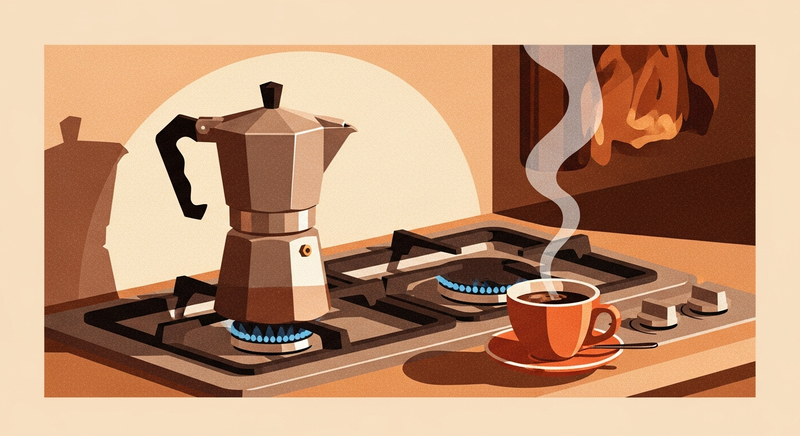
The moka pot — that octagonal aluminum pot on the stovetop — has made coffee in Italian kitchens for nearly a century. It brews a small, intense, espresso-adjacent cup with real body, for the price of a few dollars and no electricity. It is often blamed for bitter, burnt coffee, but that is almost always technique, not the pot. Done right, a moka pot makes a wonderful brew.
How a moka pot works
A moka pot has three parts: a bottom chamber for water, a funnel-shaped basket for ground coffee, and a top chamber that collects the finished coffee. As the water in the bottom heats, steam pressure pushes it up through the coffee and into the top. It is not true espresso — the pressure is far lower — but it produces a concentrated, full-bodied cup much closer to espresso than to drip.
Grind and ratio
Use a medium-fine grind — finer than drip, coarser than espresso. Too fine and the pot can clog or build excess pressure; too coarse and the coffee is weak. Fill the basket level and do not tamp it; the coffee should sit loose. A moka pot is largely self-measuring: fill the bottom with water and the basket with grounds, which lands you around a 1:8 to 1:10 strength.
Step by step
- Fill the bottom chamber with hot, pre-boiled water up to just below the safety valve — this shortens the time on the heat and avoids cooking the grounds.
- Insert the basket and fill it with medium-fine coffee, leveled off — do not tamp.
- Screw the top on tightly (use a towel — the base is hot) and place it on the stove over medium-low heat with the lid open.
- Watch for the coffee to rise; it should flow in a steady, honey-colored stream, not sputter violently.
- When you hear a gurgling, bubbling sound and the stream turns pale and foamy, it is done.
- Take it off the heat immediately and cool the base under cold running water to stop extraction.
Tricks that prevent bitter moka
- Start with hot water so the coffee is not slowly stewed as the pot heats.
- Keep the heat medium-low; a roaring flame scorches the coffee.
- Pull it off the heat the moment it gurgles, then cool the base.
- Never tamp the grounds, and never overfill past the safety valve.
Care and cleaning
Rinse the pot with hot water and let it air dry; skip the soap, which many enthusiasts believe leaves a residue that taints the coffee. Disassemble it so every part dries fully, and check the rubber gasket and safety valve periodically — a worn gasket is the usual reason an old pot stops sealing.
A moka pot rewards medium heat and quick reflexes: hot water in, off the stove the second it gurgles, cool the base. That is the whole game.
Put this example into practice
Open the matching Moka Pot: Rich Stovetop Coffee, Done Right example in Try and scale it without signing up.
Brew this method with a moka pot
A classic moka pot makes the concentrated stovetop coffee described here with no separate machine or electricity required.
Affiliate link: Drip Ratio may earn from qualifying purchases through Amazon or regional marketplace partners, at no extra cost to you.
Related guides
- Moka Pot Owner's Guide: The Stovetop Icon — How to pick the right size and material, keep the gasket healthy, and why you should never put a moka pot in the dishwasher.
- Grind Size: Getting It Right for Every Brewer — The variable that quietly ruins more cups than any other — and how to match it to your brew method.